
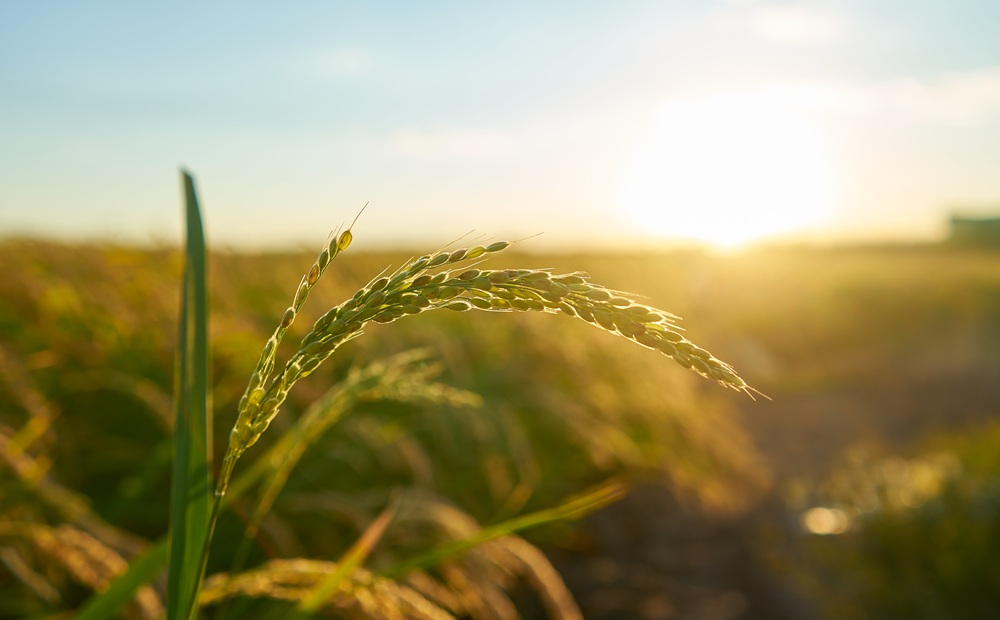
Organic farming is more than just a method of growing crops—it is a commitment to nurturing the soil, protecting the environment, and producing healthier food for future generations. As modern agriculture faces challenges like soil degradation, water pollution, and declining biodiversity, organic farming offers a sustainable and eco-friendly solution.
What Is Organic Farming?
Organic farming is an agricultural system that relies on natural inputs and ecological processes instead of synthetic fertilizers, pesticides, and genetically modified organisms. It emphasizes crop rotation, composting, green manuring, biological pest control, and soil conservation techniques to maintain long-term soil fertility and crop productivity.
By working with nature rather than against it, organic farming restores balance to the ecosystem and ensures sustainable food production.
Why Organic Farming Matters
Conventional farming practices often depend heavily on chemical inputs, which can harm soil health, contaminate water sources, and pose risks to human health. Organic farming addresses these concerns by focusing on natural soil enrichment and environmentally responsible methods.
Some key reasons organic farming is important include:
- It improves soil structure and fertility by increasing organic matter.
- It reduces chemical runoff and protects groundwater.
- It supports biodiversity by encouraging beneficial insects, birds, and microorganisms.
- It produces healthier, chemical-free food for consumers.
Benefits of Organic Farming
Organic farming offers advantages not only for farmers but also for consumers and the environment.
1. Healthier Soil and Crops
Organic practices improve soil microbial activity, which helps plants absorb nutrients more effectively. Healthier soil leads to stronger crops that are naturally more resistant to pests and diseases.
2. Environmental Sustainability
By avoiding synthetic chemicals, organic farming reduces air, soil, and water pollution. It also helps conserve water through practices like mulching and efficient irrigation.
3. Safe and Nutritious Food
Organic produce is free from harmful chemical residues. Studies suggest that organic foods often contain higher levels of antioxidants and essential nutrients.
4. Long-Term Farm Profitability
Although yields may be lower in the initial transition period, organic farming reduces dependency on expensive chemical inputs and improves soil health over time, leading to stable and sustainable returns.
How to Practice Organic Farming
Starting organic farming does not require drastic changes overnight. A gradual approach ensures long-term success.
- Use natural fertilizers such as compost, farmyard manure, and vermicompost.
- Practice crop rotation to maintain soil nutrients and break pest cycles.
- Adopt biological pest control using neem-based products and beneficial insects.
- Conserve soil and water through mulching, minimal tillage, and drip irrigation.
- Choose native and resilient crop varieties suited to local climate conditions.
Challenges and the Future of Organic Farming
Organic farming does come with challenges such as certification requirements, initial lower yields, and the need for technical knowledge. However, increasing consumer awareness and government support are making organic farming more accessible and profitable.
With growing demand for safe and sustainable food, organic farming is no longer an alternative—it is becoming a necessity for the future of agriculture.
Conclusion
Organic farming represents a harmonious relationship between humans and nature. By improving soil health, protecting the environment, and producing nutritious food, it ensures agricultural sustainability for generations to come. Adopting organic farming today is an investment in a healthier planet and a more secure food system tomorrow.