
The Art of
Organic Farming
Returning to our roots with modern precision. We use zero chemicals and 100% natural processes to heal the soil and nourish the soul.
Zero Chemicals
We replace synthetic fertilizers with nutrient-rich compost and organic matter to maintain soil vitality.
Soil Regeneration
Our methods focus on sequestering carbon and enhancing the microbial life beneath the surface.
Biodiversity
Promoting a diverse ecosystem where birds, bees, and beneficial insects protect the crops naturally.
Introduction
Organic farming is a sustainable agricultural practice that focuses on growing crops naturally without the use of synthetic fertilizers, pesticides, or genetically modified organisms (GMOs). It promotes environmentally friendly farming methods that protect soil health, water resources, and biodiversity. By using natural fertilizers, crop rotation, composting, and biological pest control, organic farming helps farmers produce healthier and chemical-free food.
With increasing awareness about health and environmental protection, organic farming has become one of the fastest-growing sectors in agriculture. Consumers prefer organic fruits, vegetables, and grains because they are safer, more nutritious, and produced using eco-friendly methods.
How it is Useful
- Promotes Healthy Crops –Organic farming eliminates harmful chemicals, producing safer and more nutritious food.
- Improves Soil Fertility – Natural compost, crop rotation, and organic fertilizers enhance soil structure and productivity.
- Protects the Environment – Reduces chemical pollution, conserves water, and promotes sustainable agriculture.
- Supports Biodiversity – Encourages beneficial insects, microorganisms, and wildlife in the ecosystem.
- Sustainable for Future Generations – Maintains long-term soil health and ensures sustainable food production.

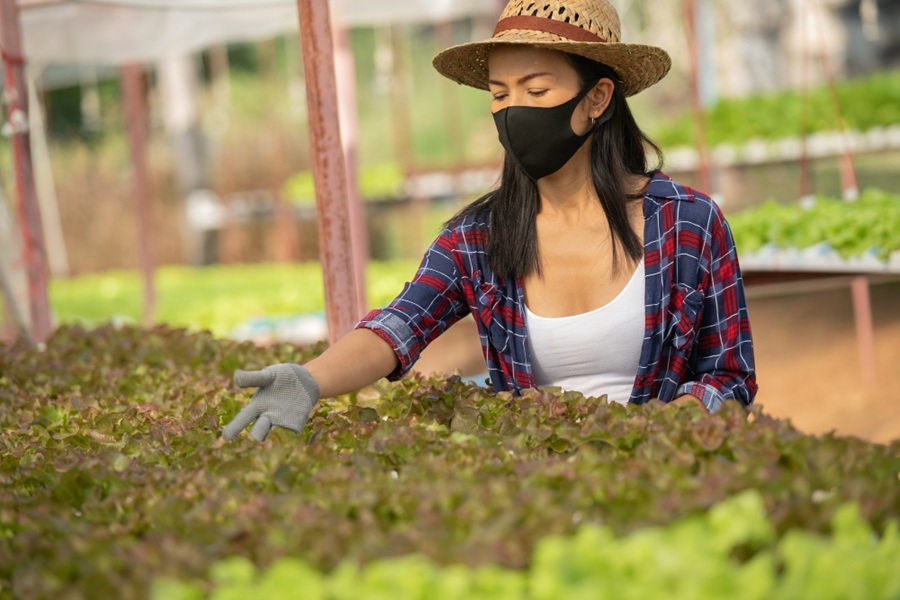
Why We Should Use Organic Farming
Organic farming is a sustainable agricultural method that focuses on growing crops without synthetic chemicals or harmful pesticides. It promotes the use of natural fertilizers, compost, and crop rotation to maintain soil fertility and improve crop productivity. By following eco-friendly farming techniques, organic agriculture helps protect soil quality, water resources, and the overall environment. As demand for healthy food continues to grow, organic farming has become an important solution for producing safe and nutritious crops. Farmers who adopt organic practices reduce their dependence on chemical inputs and support long-term agricultural sustainability. Organic farming not only improves food quality but also protects ecosystems and promotes responsible farming practices.
Benefits
- Healthy, chemical-free crops for safer consumption.
- Better soil fertility and improved ecosystem balance.
- Environmentally friendly and sustainable farming practices.
- Supports biodiversity while reducing pollution levels.
How to Use Organic Farming
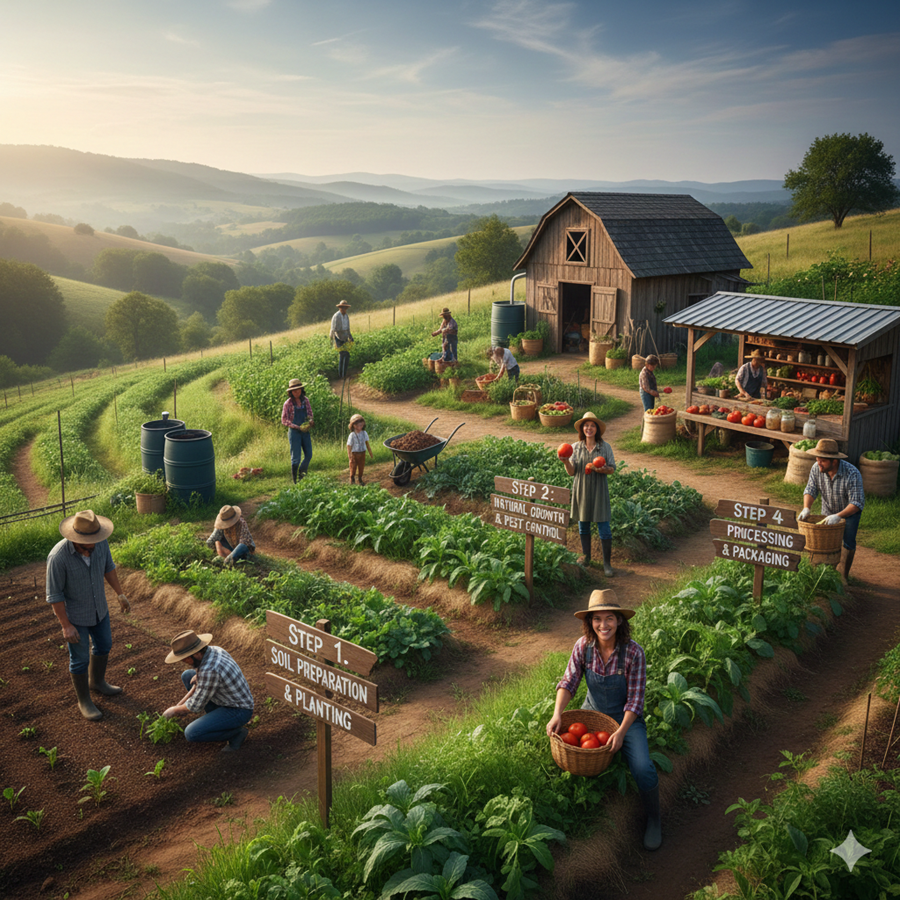
Crop Rotation & Green Manuring
Rotate crops regularly and grow green manure crops to naturally improve soil fertility and prevent pest buildup.
Compost & Natural Fertilizers
Use compost, cow dung, vermicompost, and bio-fertilizers to nourish plants without harming soil health.
Biological Pest Control
Control pests using natural predators, neem-based solutions, and organic sprays instead of chemicals.
Soil & Water Management
Preserve soil structure and save water by mulching, drip irrigation, and avoiding excessive tilling.
Frequently Asked Questions
Everything you need to know about organic farming, its benefits, and how to implement it effectively.