
The Art of
Natural Farming
Embrace chemical-free agriculture with natural farming methods that restore soil fertility, protect the environment, and produce healthy, nutritious crops.
Chemical-Free Farming
Eliminates the use of synthetic fertilizers and pesticides for safer food production.
Soil Health Improvement
Enhances soil fertility through natural inputs and microbial activity.
Low Cost Farming
Reduces input costs by using locally available natural resources.
Introduction
Natural farming is an eco-friendly agricultural practice that relies on natural processes and locally available resources instead of chemical fertilizers and pesticides. It focuses on maintaining soil health, biodiversity, and ecological balance.
Popularized in India by Subhash Palekar, natural farming promotes techniques like zero budget natural farming (ZBNF), mulching, and use of cow-based inputs.
How it is Useful
- Improves Soil Fertility –Encourages microbial activity and organic matter
- Reduces Farming Cost –Uses natural inputs like cow dung and urine
- Eco-Friendly –No harmful chemicals released into the environment
- Healthier Food – Produces chemical-free, nutritious crops
- Sustainable Agriculture –Maintains long-term productivity

Why We Should Use Natural Farming
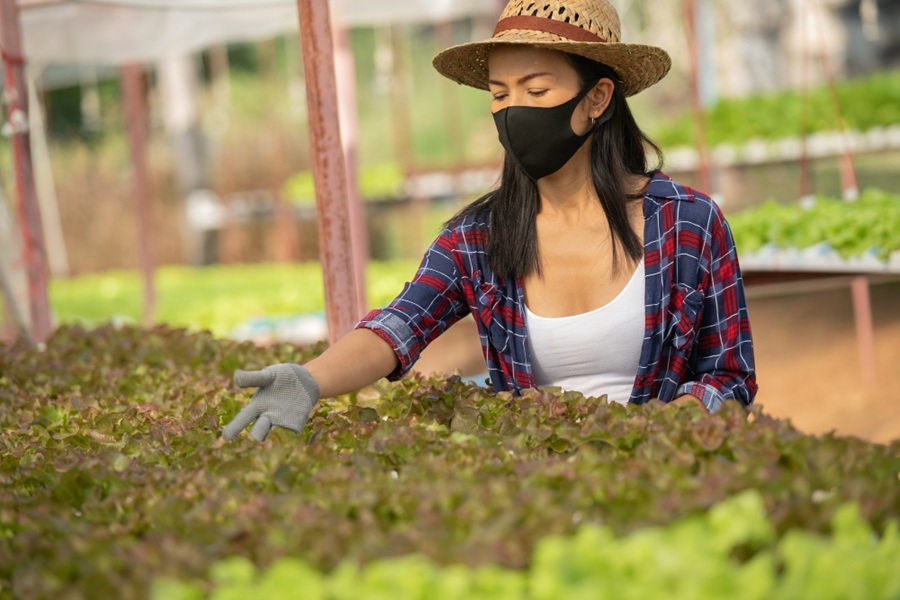
Natural farming is essential in today’s time due to increasing soil degradation, rising input costs, and health concerns caused by chemical farming.
Benefits
- Low investment farming
- Improved soil structure
- Reduced water requirement
- Higher profitability in long term
How to Start Natural Farming
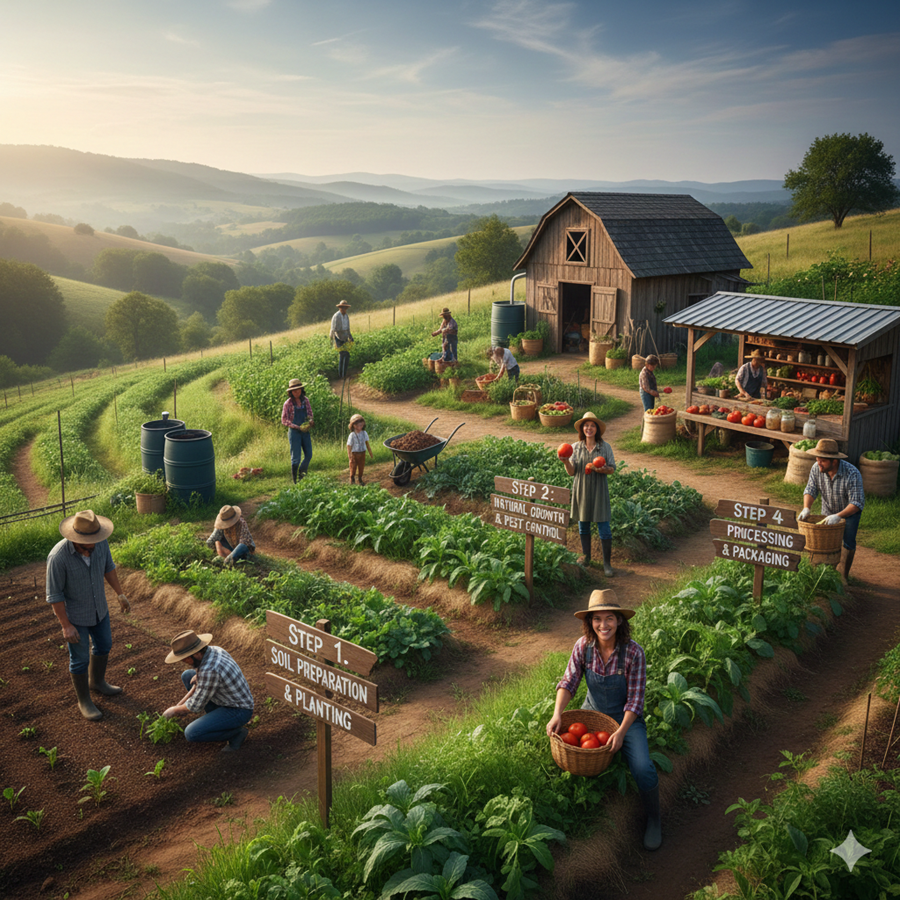
Prepare Natural Inputs
Use cow dung, cow urine, jaggery, and gram flour to make fertilizers like Jeevamrit.
Mulching
Use compost, cow dung, vermicompost, and bio-fertilizers to nourish plants without harming soil health.
Crop Diversity
Practice intercropping and mixed cropping.
Water Management
Use minimal irrigation and conserve water.
Frequently Asked Questions
Everything you need to know about natural farming, its benefits, and how to implement it effectively.