
wheat
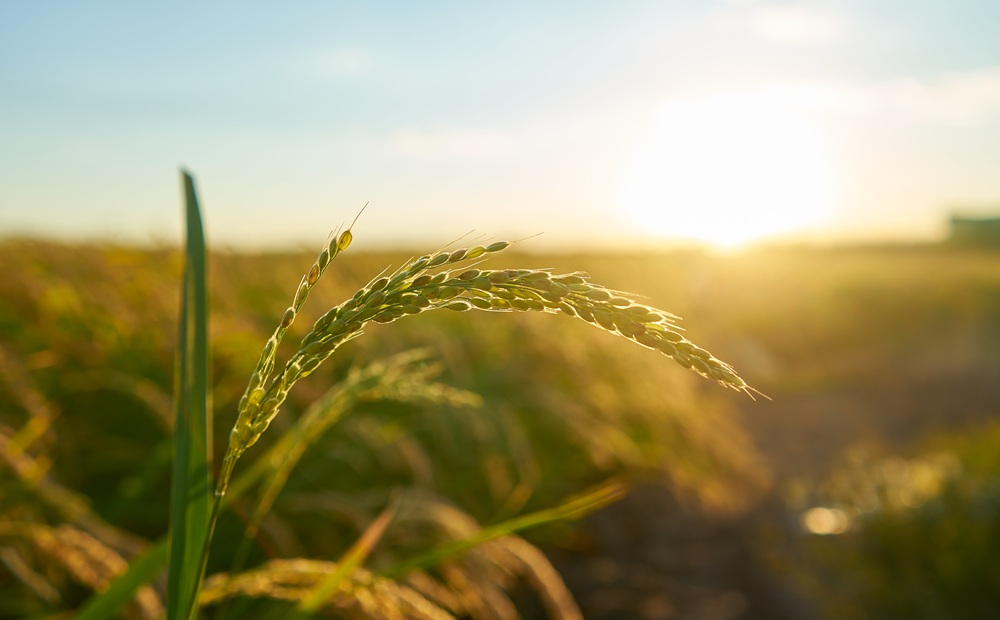
Wheat Crop Guide: Cultivation, Farming Practices, and Yield
Introduction to Wheat
Wheat is one of the most important cereal crops in the world and a staple food for millions of people. It belongs to the grass family and is scientifically known as Triticum. Wheat grains are used to produce flour for bread, chapati, pasta, noodles, and many other food products.
In India, wheat is mainly grown during the Rabi season (winter crop) and plays a crucial role in ensuring food security. Major wheat-producing states include Punjab, Haryana, Uttar Pradesh, Madhya Pradesh, and Rajasthan.
The crop is valued for its high nutritional content, including carbohydrates, proteins, vitamins, and dietary fiber. Due to its versatility and global demand, wheat farming is an important source of income for farmers.
Soil & Climate Requirements
Wheat grows best in well-drained fertile loamy or clay-loam soil that has good moisture retention and proper drainage. The ideal soil pH for wheat cultivation ranges between 6.0 and 7.5, which supports healthy root growth and nutrient absorption. Farmers should ensure the field is properly ploughed and leveled before sowing to create a fine seedbed. In terms of climate, wheat is a cool-season crop that requires moderate temperatures during its growth period. The ideal temperature for wheat cultivation ranges between 15°C and 20°C during vegetative growth, while warmer conditions help during grain maturation. Adequate sunlight and moderate rainfall are essential for proper crop development and higher yields. Wheat performs best in regions with cool winters and dry weather during harvesting, making states like Uttar Pradesh, Punjab, and Haryana ideal for wheat farming in India.
Sowing Time
Wheat is mainly grown as a Rabi crop in India, and the sowing time plays a crucial role in determining yield and grain quality. Timely sowing allows the crop to utilize favorable climatic conditions during the growth stages. For most regions in North India, including Uttar Pradesh, the ideal sowing period is from late October to mid-November. In some areas with favorable soil moisture, sowing may begin in early October. Late sowing can extend until early December, but it may result in slightly lower yields due to reduced growing time. Farmers should prepare the land properly before sowing and use recommended seed spacing and depth to ensure uniform germination and healthy crop growth.
Seed Varieties
Selecting the right wheat variety is essential for achieving high productivity and disease resistance. Farmers should choose certified seeds that are suitable for their region and climate conditions. Some of the popular wheat varieties grown in North India and Uttar Pradesh include: HD 2967 – High yielding variety with good rust resistance. HD 3086 – Suitable for irrigated areas and known for strong grain quality. PBW 343 – Widely cultivated and adaptable to different soil conditions. GW 322 – High productivity variety with stable performance. Using improved seed varieties helps farmers achieve better crop performance, improved grain quality, and higher market value.
Fertilizer & Nutrient Management
Balanced fertilization is essential for wheat cultivation because the crop requires adequate nutrients for healthy growth and grain development. Before sowing, farmers should incorporate organic manure or compost into the soil to improve soil fertility and structure. A typical fertilizer recommendation per hectare includes: Nitrogen (N): 120 kg Phosphorus (P): 60 kg Potassium (K): 40 kg Nitrogen should be applied in split doses to improve nutrient utilization. Half of the nitrogen is applied during sowing, while the remaining amount is applied during the tillering or crown root initiation stage. Proper nutrient management improves plant growth, increases grain size, and enhances overall crop yield.
Irrigation
Wheat requires timely irrigation to ensure proper growth and grain development. The number of irrigations depends on soil type, rainfall, and climatic conditions. Typically, wheat crops require 4 to 6 irrigations during the entire growth cycle. The most critical irrigation stages include: Crown root initiation stage (around 20 days after sowing) Tillering stage Jointing stage Flowering stage Grain filling stage Providing adequate irrigation during these critical stages helps improve grain formation and overall crop productivity.
Pest & Disease Control
Wheat crops may be affected by various pests and diseases that can reduce yield and crop quality. Proper monitoring and timely management practices are essential to prevent crop damage. Common wheat pests include aphids, termites, and Hessian flies, which feed on plant sap and weaken the crop. Diseases such as rust, powdery mildew, and loose smut can also affect wheat plants if proper precautions are not taken. Farmers can manage pests and diseases by following Integrated Pest Management (IPM) practices, using disease-resistant varieties, maintaining field hygiene, and applying recommended pesticides or fungicides when necessary.
Harvesting & Yield
Wheat is generally ready for harvesting 120 to 150 days after sowing, depending on the variety and growing conditions. The crop should be harvested when the plants turn golden yellow and the grains become hard. The moisture content of wheat grains at harvesting should ideally be around 12–14% to ensure safe storage and better grain quality. Harvesting can be done manually using sickles or mechanically using combine harvesters. Under good farming practices and proper crop management, farmers can achieve an average yield of 3 to 5 tons per hectare.
Market Price Insights
Wheat is one of the most important food grains traded in agricultural markets across India. The price of wheat varies depending on factors such as demand, production levels, and government policies. In most regions, the market price of wheat ranges between ₹2,100 and ₹2,300 per quintal, although it may vary by state and local mandi conditions. The government also announces a Minimum Support Price (MSP) each year to protect farmers from price fluctuations and ensure stable income. Farmers can increase their profits by adopting improved cultivation techniques, selecting high-yielding varieties, and selling their produce at the right time in the market.